The holidays are a time for visiting family, celebrating with friends, and traveling to see loved ones. However, increased traffic, longer drives, and unpredictable weather can make Texas roads more dangerous during the holiday season.
Whether you’re traveling along I-37 near Corpus Christi, navigating Houston traffic, or driving through Victoria to visit family, taking a few precautions can help reduce your risk of a serious accident.
At Carrigan & Anderson, PLLC, we understand how a car accident can disrupt your holidays and affect your family. As Texas personal injury attorneys, we want drivers to have the information they need to make safer decisions before getting behind the wheel.
Here are 8 important Texas holiday travel safety tips to help you prepare for your next trip.
1. Check Texas Road Conditions Before You Travel
Before leaving home, check traffic conditions, construction updates, and weather forecasts along your route. Texas highways can become congested during major holiday travel periods, particularly around Thanksgiving, Christmas, and New Year’s.
Long-distance travelers should plan their routes ahead of time and allow extra time for unexpected delays.
A few ways to prepare include:
- Check DriveTexas for road closures, construction, traffic conditions, and other travel alerts.
- Review weather forecasts for every major city along your route.
- Identify alternate routes in case of unexpected road closures.
- Keep your phone charged and have a vehicle charger available.
- Let someone know your expected arrival time if you’re traveling a long distance.
Drivers traveling through the Texas Gulf Coast should pay particular attention to heavy rain, tropical weather, and flooding. In other parts of the state, cold temperatures and occasional freezing conditions can create additional hazards.
Never drive around barricades or attempt to cross flooded roadways. Even relatively shallow moving water can make a vehicle difficult to control.
Taking a few minutes to check conditions before leaving can help you avoid hazardous roads and unnecessary delays.
We have offices in Houston, Corpus Christi, and Victoria; and will travel to any corner of Texas if we are capable of preventing an injustice.


2. Avoid Distracted and Impaired Driving During the Holidays
Holiday celebrations often involve parties, family gatherings, and late-night events. Unfortunately, these activities can increase the risk of impaired driving.
Alcohol, recreational drugs, and certain prescription medications can affect reaction time, coordination, and decision-making. Even if someone feels capable of driving, impairment can make it difficult to respond to unexpected situations.
If your holiday plans involve alcohol, arrange a safe ride before the celebration begins.
Follow these precautions:
- Designate a sober driver before attending holiday gatherings.
- Use a rideshare service or taxi if you have been drinking.
- Never get into a vehicle with someone you believe is impaired.
- Watch for drivers who are swerving, braking unpredictably, or drifting between lanes.
- Report an immediate roadway danger to law enforcement when it is safe to do so.
Distracted driving is another significant concern during busy travel periods. Checking directions, responding to messages, or adjusting entertainment systems can take your attention away from the road.
Texas law generally prohibits reading, writing, or sending electronic messages on a portable wireless device while operating a motor vehicle, subject to statutory exceptions. The safest approach is to set your navigation before leaving and avoid handling your phone while driving.
A few seconds of distraction can have serious consequences, especially when traffic is congested.
3. Get Enough Rest Before a Long Holiday Road Trip
Driving long distances can be exhausting, particularly when you’re traveling after work or leaving early to reach a holiday destination.
Fatigue can affect concentration, reaction time, and your ability to recognize potential hazards. Drowsy drivers may also have difficulty maintaining their lane or responding quickly when traffic suddenly slows.
Before starting a long trip:
- Get adequate sleep the night before traveling.
- Take breaks during extended drives.
- Switch drivers when another rested driver is available.
- Avoid driving when you feel unusually tired.
- Stop somewhere safe if you notice yourself struggling to stay alert.
Be especially careful when traveling late at night or during the early morning hours.
If you begin experiencing heavy eyelids, repeated yawning, difficulty concentrating, or drifting between lanes, find a safe place to stop. Opening a window or turning up the radio is not a reliable substitute for rest.
Arriving safely is more important than reaching your destination a few minutes earlier.
Representing the injured in all areas of Texas that extends back over 40 years

4. Practice Defensive Driving Around Commercial Trucks
Texas highways carry a heavy volume of commercial trucks, from 18-wheelers to delivery vehicles operated by companies like FedEx, Amazon, and UPS. During the holiday season, increased shipping and delivery activity can put even more commercial vehicles on the road.
These large vehicles cannot stop or maneuver as quickly as passenger cars. Their size also creates significant blind spots, making it important for other drivers to give them plenty of space.
A few defensive driving tips to keep in mind when sharing the road with commercial trucks include:
- Avoid cutting in front of large trucks: Never merge too closely in front of a commercial vehicle or brake suddenly after passing it.
- Maintain extra following distance: Leave plenty of room between your vehicle and the truck ahead, especially in heavy traffic or poor weather.
- Pass carefully: Pass commercial trucks with enough room to safely return to your lane, and avoid lingering in their blind spots.
- Use extra caution in construction zones: Trucks may need additional space to merge, turn, or navigate changing traffic patterns.
- Watch for wide turns: Large trucks often need additional room to complete turns, so avoid positioning your vehicle alongside them at intersections.
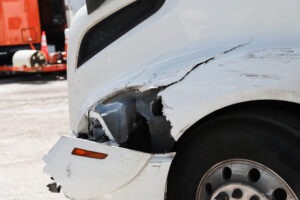
Truck accidents can result in particularly serious injuries because of the significant size and weight difference between commercial vehicles and passenger cars. Driver fatigue, distracted driving, improper vehicle maintenance, and unsafe cargo loading can also contribute to these collisions.
If you’re involved in a collision with a commercial vehicle, determining who is responsible may require a closer examination of the driver’s actions, vehicle maintenance records, and other evidence.
Learn more about your legal options on our Texas truck accident lawyer page.
You need a skilled advocate to protect your legal rights and present your claim in such a way as to maximize your recovery.

5. Understand Texas Driving Laws Before Your Trip
Understanding Texas traffic laws can help you avoid preventable accidents and recognize situations that require additional caution.
Here are several important rules to keep in mind before heading out for the holidays.
Move Over or Slow Down Law
Texas requires drivers to move over one lane or slow down when approaching certain stopped emergency and service vehicles displaying activated overhead lights.
The law covers qualifying vehicles such as law enforcement, emergency responders, tow trucks, utility vehicles, municipal waste vehicles, and TxDOT vehicles. Since September 1, 2025, it also includes vehicles operated by animal control officers and parking enforcement employees.
If you cannot safely move over, reduce your speed as required by law. On roads with speed limits of 25 mph or less, TxDOT instructs drivers to slow to 5 mph.
Learn more about the Texas Move Over or Slow Down Law.
Seatbelt Requirements
Texas law requires adult passengers who are at least 15 years old to wear a seatbelt when occupying a seat equipped with one. Drivers also have specific responsibilities for younger passengers, including applicable child passenger safety requirements.
Regardless of the minimum legal requirements, everyone should wear a properly fitted seatbelt on every trip. Children should use an appropriate car seat or booster seat based on applicable requirements.
Electronic Messaging While Driving
Texas Transportation Code Section 545.4251 generally prohibits drivers from reading, writing, or sending electronic messages on a portable wireless communication device while operating a motor vehicle, unless the vehicle is stopped. Certain exceptions also apply.
To avoid distractions, set your GPS and music before leaving and keep your phone out of reach while driving.
Understanding these rules can help you make safer decisions when traveling on Texas roads.
6. Prepare for Changing Texas Weather Conditions
Texas weather can change quickly, and holiday travelers may encounter different conditions depending on where they’re driving.
Along the Gulf Coast, including Corpus Christi and Houston, heavy rain and flooding can create dangerous driving conditions. Travelers heading farther inland may encounter thunderstorms, strong winds, and occasional freezing temperatures during the winter months.
Before leaving, check the forecast and prepare your vehicle for the conditions you may encounter.
Some important precautions include:
- Check your tire pressure and tread before traveling.
- Make sure your windshield wipers are working properly.
- Confirm that your headlights, brake lights, and turn signals function correctly.
- Keep windshield washer fluid available.
- Maintain enough fuel for unexpected delays.
- Increase following distance when roads are wet or slippery.
If heavy rain reduces visibility, slow down and avoid sudden braking or sharp turns.
Never attempt to drive through standing or moving floodwater. Water depth can be difficult to judge, and road conditions beneath the surface may be unpredictable.
If weather conditions become dangerous, find a safe location to wait until conditions improve.
7. Take Precautions When Using Holiday Rideshare Services
Rideshare services such as Uber and Lyft can be convenient alternatives when attending holiday parties or traveling without your own vehicle.
However, passengers should still take precautions before getting into a rideshare vehicle.
For a safer trip:
- Confirm that the vehicle’s make, model, and license plate match the information in your app.
- Verify the driver’s identity before entering the vehicle.
- Wear your seatbelt throughout the trip.
- Share your trip details with a trusted friend or family member.
- Choose well-lit pickup and drop-off locations whenever possible.
- Avoid sharing unnecessary personal information with your driver.
Rideshare accidents can also involve complicated insurance questions.
Depending on the circumstances, coverage may involve the driver’s personal auto insurance or a rideshare company’s insurance policy. The applicable coverage can depend on whether the driver was waiting for a request, traveling to pick up a passenger, or transporting a passenger at the time of the crash.
If you’re injured in an Uber or Lyft accident, our Texas rideshare accident lawyers can help you understand your potential legal options.
8. Know What to Do After a Holiday Car Accident in Texas
Even when you follow every safety precaution, another driver’s negligence can still cause an accident.
If you’re involved in a collision while traveling in Texas, knowing what to do afterward can help protect your health and preserve important information about the incident.
Step 1: Check for Injuries and Call 911
Check yourself and your passengers for injuries. Call 911 if anyone is injured or if emergency assistance is needed.
If possible, move to a safe location away from moving traffic. Do not put yourself in additional danger by standing near the roadway.
Step 2: Seek Medical Attention
Some accident-related injuries may not produce immediate symptoms. Even if you feel fine after a collision, consider getting evaluated by a medical professional.
Follow your healthcare provider’s recommendations and keep records of medical appointments, treatment, and related expenses.
Step 3: Document the Accident Scene
If it is safe to do so, collect information that may help establish what happened.
Consider taking photographs of:
- Damage to all vehicles involved.
- The surrounding roadway and intersection.
- Traffic signals and road signs.
- Skid marks, debris, and other visible evidence.
- Any visible injuries.
Also collect the names and contact information of witnesses, along with insurance and contact information from the other drivers.
Step 4: Report the Accident and Notify Your Insurance Company
Follow applicable Texas accident reporting requirements and cooperate with responding law enforcement officers.
Keep a copy of any available crash report and notify your insurance company about the collision in accordance with your policy.
You can also review our guide on how to obtain a Corpus Christi crash report.
Step 5: Understand Your Legal Options
If another driver caused your accident, you may have questions about medical expenses, lost income, vehicle damage, and other losses.
Before accepting a settlement or providing a detailed recorded statement to an insurer, consider speaking with an attorney about your circumstances.
An attorney can review the available evidence, explain how Texas personal injury laws may apply, and help you understand the options available for pursuing compensation.
You can learn more about the process on our Texas car accident lawyer page.
Frequently Asked Questions About Holiday Travel Safety in Texas
When is holiday traffic busiest in Texas?
Traffic often increases around major holidays, including Thanksgiving, Christmas, and New Year’s. The busiest periods can vary depending on the holiday, location, and travel route.
Before leaving, check current traffic conditions through DriveTexas and allow additional time for congestion, construction, and unexpected delays.
What should I do if I get into a car accident while traveling in Texas?
First, check for injuries and call 911 when necessary. Move away from traffic if it is safe, seek medical attention, exchange information with the other driver, and document the accident scene.
You should also notify your insurance company and keep copies of relevant medical records, photographs, and crash reports.
What is Texas’s Move Over or Slow Down Law?
Texas’s Move Over or Slow Down Law requires drivers to move over one lane or reduce their speed when approaching certain stopped emergency and service vehicles displaying activated overhead lights.
If moving over is not safe or possible, drivers must slow down as required by the law. The requirements also apply to qualifying animal control and parking enforcement vehicles following the 2025 expansion.
Who is responsible for a holiday car accident in Texas?
Responsibility depends on the circumstances of the collision. A driver who violates traffic laws, drives while impaired, or operates a vehicle carelessly may be responsible for resulting injuries and losses.
In some accidents, multiple parties may share responsibility. An investigation can help establish how the collision happened and whether another driver or entity may be legally liable.
Can I file a personal injury claim if I was injured in a holiday car accident?
You may be able to pursue a personal injury claim if another party’s negligence caused your injuries.
Texas follows a modified comparative responsibility system. Under Texas Civil Practice and Remedies Code Section 33.001, a person generally cannot recover damages if their percentage of responsibility is greater than 50%. If their responsibility is 50% or less, their recovery may be reduced by their percentage of responsibility.
The circumstances of each accident matter, so consider speaking with a Texas personal injury attorney about your situation.
Stay Safe on Texas Roads This Holiday Season
Holiday travel should be about spending time with the people who matter most, not dealing with the consequences of a preventable accident.
Planning your route, avoiding impaired driving, staying alert, and following Texas traffic laws can help make your holiday travels safer.
Unfortunately, not every accident can be prevented. If another driver’s negligence causes a collision that leaves you or someone you love injured, you don’t have to navigate the aftermath alone.
At Carrigan & Anderson, PLLC, we help injured individuals understand their legal options and pursue compensation when another party is responsible for their injuries.
Our attorneys provide direct communication and personalized attention to clients throughout Texas, including Corpus Christi, Houston, and Victoria.
If you’ve been injured in a holiday car accident, contact Carrigan & Anderson to schedule a free consultation. We work on a contingency-fee basis, so you don’t pay attorney fees unless we recover compensation for you.
Stay safe, plan ahead, and enjoy your holiday travels.
At Carrigan & Anderson, PLLC we can talk to you about your options and rights.